
mirror glass door
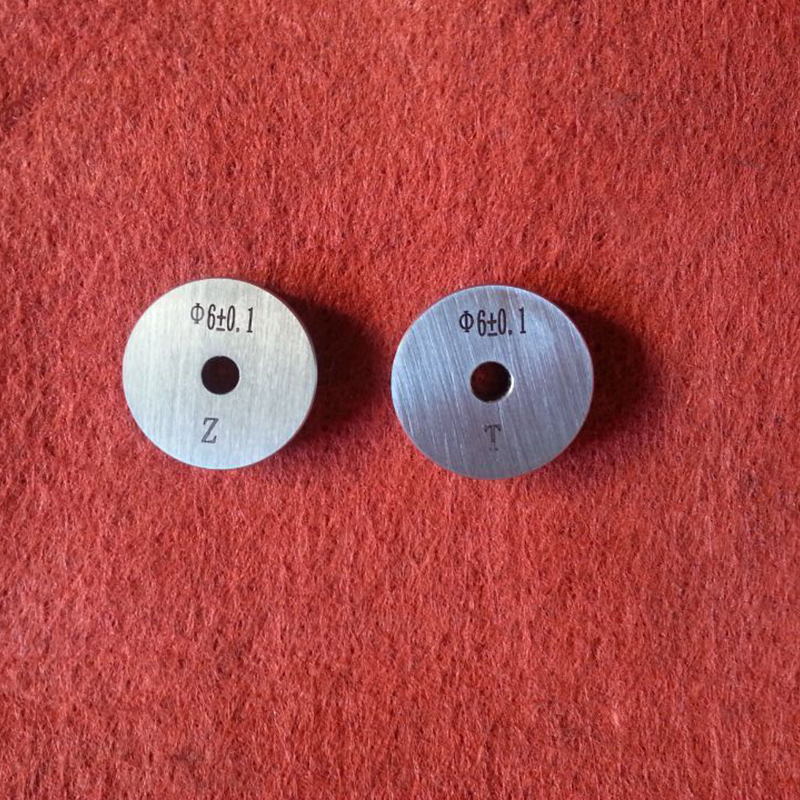
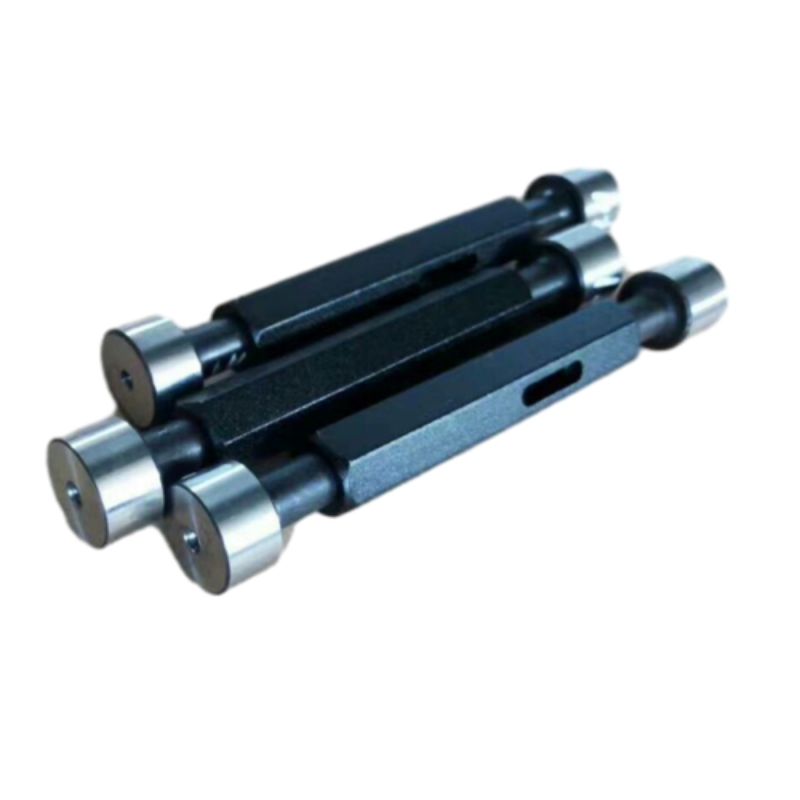
Understanding Spline Go/No-Go Gauges A Comprehensive Overview In the field of precision engineering, the need for accurate measurement and validation of component dimensions is paramount. One essential tool in this regard is the spline go/no-go gauge. This specialized gauge is designed to ensure that spline features—used extensively in mechanical systems for power transmission and alignment—meet specific dimensional standards. This article provides an in-depth look at spline go/no-go gauges, their purpose, design, and application, as well as their significance in quality control processes. What is a Spline Go/No-Go Gauge? A spline go/no-go gauge is a device used to check whether a spline fits within specified tolerances. Splines are ridges or teeth on a shaft that assist in transmitting torque and aligning components. The go/no-go gauge consists of two parts the go gauge and the no-go gauge. The go gauge is designed to fit onto the spline if it is manufactured correctly, indicating that it meets the minimum tolerance specifications. Conversely, the no-go gauge is meant to not fit onto the spline if it is within acceptable tolerances. If the no-go gauge does fit, this signifies that the spline is out of tolerance, which could lead to performance issues or failure in coupling the necessary components. The Importance of Go/No-Go Gauges Quality control is crucial in manufacturing processes, particularly in industries such as automotive, aerospace, and machinery, where component failures can have severe consequences. Spline go/no-go gauges play a significant role in maintaining quality by facilitating rapid inspection. These gauges provide a clear and straightforward binary result—the presence or absence of fit—allowing operators to quickly ascertain whether components conform to specifications. Using go/no-go gauges also reduces human error in measurement processes. Traditional measurement tools like calipers or micrometers require careful handling and interpretation of readings, which can introduce variability in outcomes. In contrast, the simplicity of the go/no-go design means that the operator can easily determine compliance without complex calculations. Design and Construction spline go no go gauges The design of spline go/no-go gauges can vary significantly based on the application and the specific spline profiles being measured. They are typically made from high-strength materials such as hardened steel or carbide to ensure durability and maintain precision over time. The gauging teeth must be meticulously shaped to match the profile of the spline being tested—whether it is involute, square, or some other form. A well-engineered spline gauge will come with clear markings indicating the go and no-go sections to avoid any confusion during inspections. Additionally, many manufacturers incorporate features that allow for easy handling and use, such as ergonomic grips and protective casings, which help prolong the life of the gauges. Applications of Spline Go/No-Go Gauges Spline go/no-go gauges are widely used across various industries. In automotive manufacturing, for example, they are crucial for verifying the dimensions of axle shafts and gear couplings, which need precise fits to ensure functionality and safety. In aerospace, these gauges can be used to inspect connecting components within engines and other systems where precision is critical. In the realm of general machinery, spline gauges help in validating parts used in gear transmissions and conveyor systems, among others. By ensuring that these components are produced within acceptable tolerances, manufacturers can reduce the risk of mechanical failures and enhance the reliability of their products. Conclusion In summary, spline go/no-go gauges are vital tools in the arsenal of precision manufacturing, ensuring that spline features meet stringent industry standards. Their simplicity, reliability, and efficiency make them indispensable for quality assurance processes. As technology continues to advance, the design and functionality of these gauges may evolve, but their fundamental role in ensuring precision will remain critical to the success of manufacturing operations across various sectors. Adopting efficient inspection methodologies, including the use of go/no-go gauges, enhances the overall quality and performance of engineered systems, reinforcing the importance of precision in today’s competitive manufacturing landscape.
about
mirror glass door
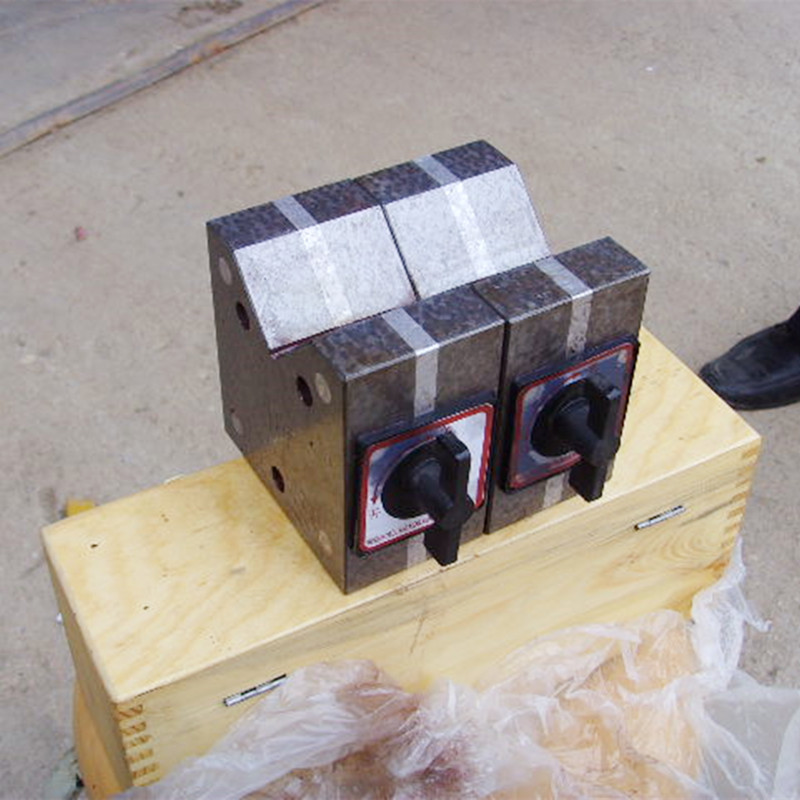
The use of three-dimensional flexible welding platforms for welding processes is the primary production process in the sedan manufacturing industry. The use of welding fixtures directly affects the power, accuracy, and quality of the welding process. Among many car manufacturers in China, specialized welding fixtures are generally used for welding, and 3D welding platforms are equipped for one or several specific welding processes. With the current trend of small batch and personalized production of sedans, the use of such fixtures is increasingly restricted. The shortcomings of long planned production cycles, large space occupation, and low reuse rates are fully exposed. This situation greatly restricts the progress of welding technology in China's sedan manufacturing industry and prolongs the cycle of new car models. The five surfaces of the three-dimensional flexible welding platform are machined with spaced holes and engraved with mesh lines. The holes are through holes without inclination or threads. Any workpiece on the flexible welding platform can be positioned and clamped using fixtures and locking pins. Several flexible welding platforms can be directly connected together on any five surfaces for splicing purposes. This modular system demonstrates its universal functionality in equipment, adjustment, and clamping of workpieces. Its advantage lies in completing the application of large workpieces. And the flexibility of the flexible welding platform here does not refer to its flexibility, on the contrary, its raw material hardness is good, and it has strong resistance to impact and is still useful. Simply put, its flexibility here refers to its versatility and versatility. Flexibility of 3D welding platform: The flexible 3D combination welding plate has high load-bearing capacity and stable rigidity. Its five surfaces are processed with regular holes and engraved with mesh lines. The welding platform can be easily extended and expanded, combined. The expanded standardized tabletop can be directly connected together for modular positioning and clamping. The universal function of the flexible 3D platform welding fixture system is vividly demonstrated in the process of equipment, adjustment, and positioning of workpieces, not in the application of large workpieces. There are various assembly methods, and users only need to unleash their imagination. The 3D workbench can achieve the same positioning and clamping functions as various specialized fixtures. Quick assembly and easy disassembly; The three-dimensional flexible welding platform workbench can be assembled and combined according to the shape and size of the workpiece. The scale on the countertop and the planning of module specifications allow operators to quickly set up the required tooling according to the workpiece specifications without the need for measuring tools.
-

High quality industrial productsagement

High quality industrial products
View Details -

Meet the diverse needs of customers

Meet the diverse needs of customers
View Details -

Strict quality control

Strict quality control
View Details -

Top raw materials

Top raw materials
View Details -

Trusted supplier

Trusted supplier
View Details
Our application
news and information

Versatile Right Angle Ruler for Precise Sewing Measurements and Crafting Precision Techniques
The Essential Right Angle Ruler for Sewing A Must-Have Tool for Every Seamstress Sewing is an art th

y type strainer filter,,10
Y Type Strainer Filter A Compreensive Guide Y Type Strainer Filter has become an essential tool in

Wood Frame Truss Nail Plate Connection Engineering and Installation Essentials
The Significance of Wood Frame Truss Nail Plates in Construction In the realm of construction and e
 English